Hardwood Floor Cleaning & Polishing for Indian Rocks Beach homes
Bayline Restoration Co. provides residential hardwood floor cleaning and polishing throughout Indian Rocks Beach, Pinellas County. Deep cleaning, residue removal, and finish rejuvenation for solid and engineered hardwood floors. We are an independent direct provider based in Tampa Bay, which means the crew assessing your Indian Rocks Beach home is the crew doing the work, and we answer the phone twenty four hours a day.
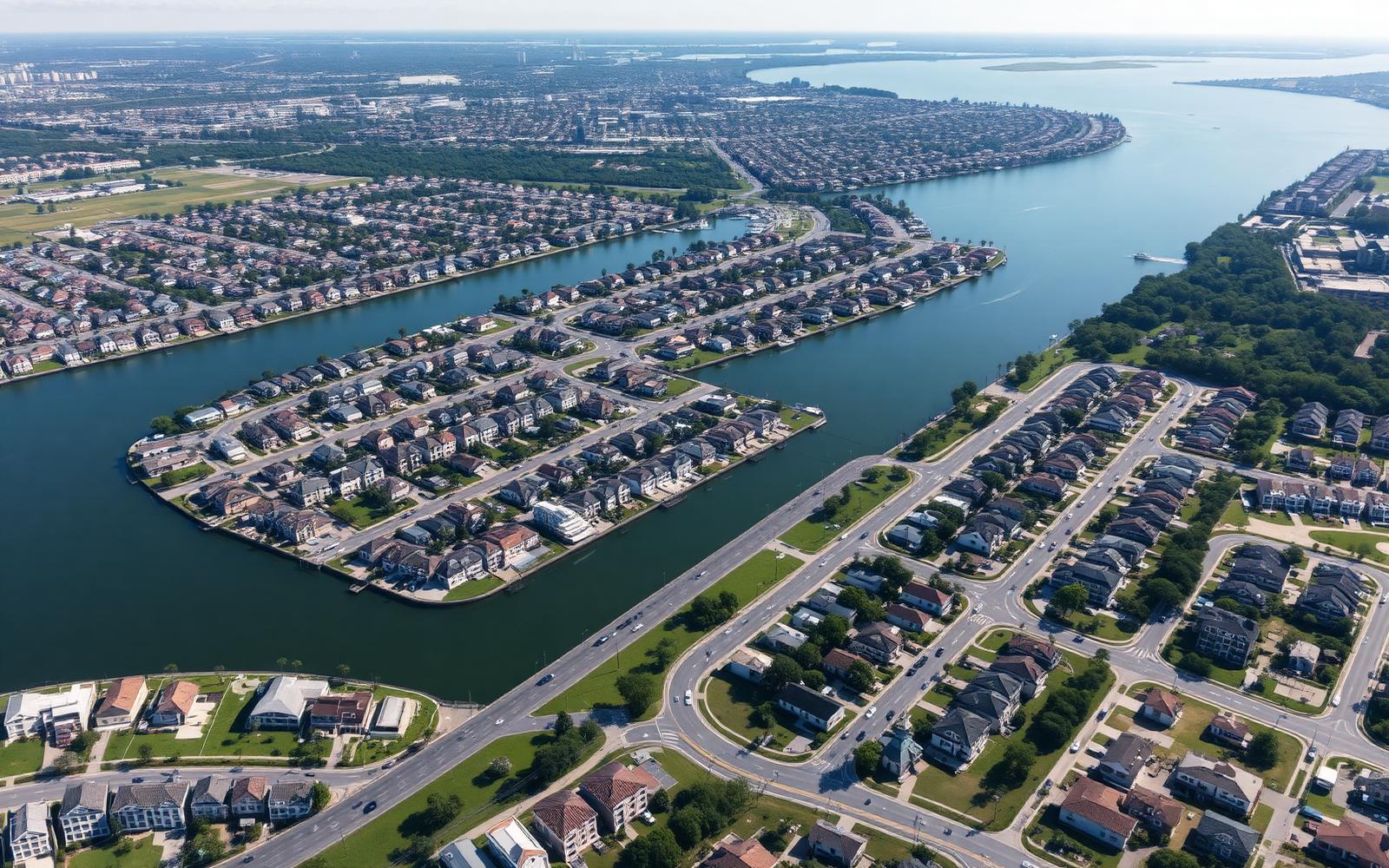
Indian Rocks Beach is a narrow barrier island community with the Gulf on one side and the Intracoastal on the other, which means essentially every property here is waterfront or within a block of it. The restoration profile is dominated by coastal exposure: wind-driven rain, surge during tropical systems, constant salt air, and a large stock of vacation rental and seasonally occupied property where water losses are often discovered days after they start.
Local conditions shape how this specific service is performed here. Direct Gulf front exposure. Salt air, high humidity, wind-driven rain, and surge risk during named storms define the environment and accelerate wear on everything mechanical. Combine that with the housing profile in Indian Rocks Beach and you get a distinct pattern of what fails, how fast it spreads, and what can realistically be saved. A mix of older beach cottages, mid-century homes, condominium buildings, and newer elevated construction. Vacation rentals and second homes make up a significant share of the inventory.
Indian Rocks Beach conditions that affect hardwood floor cleaning and polishing
A barrier island community between the Gulf of Mexico and the Intracoastal Waterway in western Pinellas. Elevation is low across the island and evacuation is standard during significant storms.
Those conditions change the technical plan. Equipment placement, how aggressively we dehumidify, whether materials can be dried in place or need to come out, and how long verification takes are all influenced by the environment surrounding the structure rather than by the loss alone.
- Storm surge and wind-driven rain during tropical systems
- Water losses in vacation rentals discovered days later
- Salt corrosion on air conditioning and exterior equipment
- Condominium losses affecting units below
- High humidity mold in closed seasonal units
- Roof and window seal failures from sustained coastal wind
What causes hardwood floor cleaning and polishing work in a home
Understanding the cause matters because the cause dictates the scope. Two properties with identical visible damage can require completely different work depending on how the damage occurred and how long the condition persisted. These are the situations we respond to most often in Tampa Bay:
- Residue buildup from mop-and-shine and oil soap products
- Grit and sand acting abrasively at entry points
- Standing water and humidity causing cupping or gapping
- Pet nails and furniture dragging scratching the finish
- Ultraviolet exposure fading and ambering finish unevenly
- Rubber backed mats trapping moisture against the surface
- Improper cleaning products dulling or softening the finish
- Prior refinishing done without full residue removal
Why fast, correct action matters
Delay is the single largest cost multiplier in restoration work. The difference between responding within hours and responding within days is frequently the difference between drying and cleaning materials in place versus removing and rebuilding them. In a coastal Florida climate, ambient conditions work against you nearly every month of the year, so problems that might resolve on their own in a dry region simply do not here.
- Excess moisture during cleaning can swell boards and open seams
- Wrong chemistry can soften or cloud a polyurethane finish
- Cleaning a floor with a compromised finish drives water into the wood
- Engineered flooring has a limited wear layer that cannot be sanded repeatedly
- Polishing over embedded residue locks the haze in permanently
- Aggressive machine work can burn through the finish at edges
Signs your home needs professional attention
Not every problem announces itself. Many of the calls we take start with a homeowner noticing something subtle and deciding to investigate rather than wait. These indicators are worth acting on:
- A cloudy or hazy appearance that does not improve with mopping
- Sticky or streaking surface after cleaning
- Traffic paths that are visibly duller than surrounding areas
- Loss of sheen and a flat, lifeless look
- Surface scratches visible in raking light
- Boards that feel gritty underfoot even after sweeping
Our hardwood floor cleaning and polishing process
We work through a defined sequence on every project. The sequence exists because skipping or reordering steps is what causes work to be redone, and redone work is paid for twice.
- Step 1
Floor assessment and finish testing
We identify the flooring type, whether it is solid or engineered, and test the finish in an inconspicuous area to determine whether it is intact, worn through, or coated in residue. That determines whether the floor is a candidate for cleaning and polish or needs refinishing.
- Step 2
Dry soil and grit removal
Thorough vacuuming and dust mopping remove abrasive particulate. Any wet process performed over loose grit grinds it into the finish.
- Step 3
Residue-dissolving deep clean
A hardwood-safe cleaning solution is applied in controlled volume and agitated with a machine sized to the floor, breaking down accumulated residue without saturating seams.
- Step 4
Extraction and moisture control
Solution and suspended soil are immediately recovered so moisture never sits on the surface or migrates into board joints. Controlled moisture is the entire discipline of hardwood cleaning.
- Step 5
Detail work at edges and corners
Perimeters, corners, and stair treads are cleaned by hand where machines cannot reach, so the floor cleans evenly rather than showing a bright center and dull border.
- Step 6
Finish evaluation
With residue removed we evaluate the actual finish condition and advise honestly whether polish will deliver a meaningful result or whether the floor needs recoating or refinishing.
- Step 7
Polish or finish rejuvenation
A compatible polish or finish rejuvenator is applied in thin, even coats, filling micro scratches and restoring sheen while adding a sacrificial wear layer over the existing finish.
- Step 8
Cure time and maintenance guidance
The floor is left to cure with clear direction on when to walk on it, when to replace furniture and rugs, and which products to use and avoid going forward.
Equipment and methods we use
Professional results depend on professional equipment used correctly. Rental units and consumer tools are not sized, instrumented, or filtered the same way, and the gap shows up in outcomes rather than in the first hour of work.
- Hardwood specific cleaning machines with controlled solution delivery
- High suction recovery tools for immediate moisture removal
- Soft brush and pad agitation systems
- Moisture meters for wood and subfloor
- Applicators for polish and finish rejuvenators
- HEPA vacuums for dry soil removal
- Air movers for controlled drying and cure
- Edge and detail hand tools
Standards we work to
We follow moisture-controlled cleaning practice for wood: minimal solution dwell, immediate recovery, no saturation of seams, and product compatibility verified before full application. Polish is applied only over sound finish, never as a way to hide a floor that actually needs refinishing.
Bayline Restoration Co. is an independent direct provider, which means the crew that assesses your home is the crew that performs the work. There is no national call center routing your address to whichever contractor happens to be available, no lead fee baked into your invoice, and no gap between what was promised on the phone and what shows up in the driveway. When you call, you reach people who work in Tampa Bay and who will be standing in your building.
That structure matters most when something goes wrong or the scope changes mid-project. A single accountable team means one set of documentation, one point of contact, and one party responsible for the result. We answer the phone twenty four hours a day because water, smoke, and storm damage do not observe business hours, and the first few hours of a loss determine most of what the repair will ultimately cost.
Residential scope we handle
Residential projects in this category regularly include the following. If your situation is not listed, it is still worth a call, because most of what we do is a variation on these scenarios.
- Whole-home hardwood cleaning and residue removal
- Polish and sheen restoration on intact finishes
- Engineered hardwood maintenance where sanding is not an option
- Stair and landing detail work
- Post-construction hardwood cleanup
- Pre-sale floor presentation
What to do before we arrive
There are useful things you can do in the first hour, and there are things that make the job harder. This list covers both.
- Stop using mop-and-shine or oil soap products, which build the residue layer
- Sweep or vacuum with a hard floor attachment rather than a beater bar
- Wipe spills immediately, since standing water is the primary enemy of wood
- Place felt pads under furniture legs and replace them when worn
- Use non-rubber-backed mats at entries so moisture is not trapped
- Note any boards that are cupped, gapped, or soft before service is scheduled
Common mistakes to avoid
These are the errors we are called in behind most often. None of them are unreasonable choices in the moment, and all of them cost money later.
- Step 1
Wet mopping with a bucket
Standing water finds board seams, swells the wood core, and causes cupping that cleaning cannot reverse.
- Step 2
Using vinegar or ammonia solutions
Both attack polyurethane finishes over time, dulling the surface and eventually requiring recoating.
- Step 3
Applying shine products repeatedly
Each coat adds to a residue layer that eventually hazes, peels, and must be professionally stripped before any real restoration is possible.
- Step 4
Polishing a floor with a worn-through finish
Polish sitting directly on bare wood looks uneven and does not protect. That floor needs recoating or refinishing instead.
- Step 5
Ignoring grit at entries
Sand tracked in from a coastal environment is abrasive and wears finish at doorways faster than anywhere else in the house.
How long the work takes
Cleaning alone for a typical home runs two to four hours. Cleaning with polish adds cure time, and the floor generally needs two to four hours before light foot traffic and roughly twenty four hours before rugs and heavy furniture return. Commercial recoating is scheduled overnight, with the space typically usable by the next business day depending on the product used.
Every project starts with a conversation about what happened, followed by an on-site assessment. We walk the affected areas with instruments rather than assumptions, define the actual scope, and explain what we found in plain language before any equipment comes off the truck. You will know what we plan to do, roughly how long it will take, and what drives the cost.
From there the work proceeds in documented phases. We photograph conditions, log readings where the job involves moisture, and provide updates as the project moves. When the scope needs to change because we discovered something behind a wall, we tell you before we act on it, not after. At completion you receive a documentation package covering the hardwood floor cleaning and polishing that is suitable for your records or your insurance carrier.
Insurance and documentation
Hardwood cleaning and polishing is maintenance and is not an insurance matter. Hardwood restoration following a water loss is a different scope entirely, involving cavity drying systems, moisture verification, and in some cases refinishing after the boards stabilize. That work is documented as part of the water damage claim.
We do not tell you what your carrier will or will not pay, because that is their decision and your policy. What we control is the quality of the record: photographs taken before anything is disturbed, instrument readings logged over time, a line-item scope tied to the work actually performed, and a clear explanation of every item on it. A well documented file is the most effective thing a homeowner can bring to a claim conversation.
Preventing a repeat
Once the immediate problem is resolved, the useful question is how to keep it from happening again. These measures address the conditions behind most of the calls we take:
- Use walk-off mats at every entry without rubber backing
- Sweep or dust mop several times a week in high traffic areas
- Keep indoor humidity stable to limit seasonal movement
- Use only manufacturer-approved hardwood cleaners
- Replace felt pads under furniture before they wear through
- Schedule professional cleaning every twelve to eighteen months
Hardwood Floor Cleaning & Polishing questions we hear most
These are the questions homeowners ask us most often about hardwood floor cleaning and polishing. If yours is not covered here, call and ask. We would rather answer a question than have you guess.
Can you make old hardwood look new without sanding?
Often, yes. If the haze is residue and the finish underneath is intact, deep cleaning plus polish delivers a dramatic improvement without the dust, cost, and downtime of sanding. If the finish is worn through to bare wood, refinishing is the honest answer.
Is this safe for engineered hardwood?
Yes, and it is especially valuable there. Engineered flooring has a thin wear layer that can only be sanded once or twice, so residue removal and polish that extend the life of the existing finish are the right maintenance strategy.
How long before I can walk on it?
Generally two to four hours for light traffic after polish, and about twenty four hours before rugs and heavy furniture go back. We give you exact times based on the product used.
Will polish make the floor slippery?
Properly applied commercial-grade hardwood polish is formulated for traction. Slipperiness usually comes from consumer shine products applied too heavily or over residue.
Can you fix scratches?
Fine surface scratches in the finish are largely filled and hidden by polish. Deep scratches that reach the wood require spot repair or refinishing, and we identify which category yours are during assessment.
What if my floor was water damaged?
That is a restoration scope rather than a maintenance one. Wood needs cavity drying and moisture verification first, and refinishing only after the boards have stabilized, which can take weeks.
Neighborhoods we cover for hardwood floor cleaning and polishing in Indian Rocks Beach
We provide this service across all of Indian Rocks Beach, including these areas:
- North End
- Central Gulf Boulevard
- South End
- Intracoastal side
- Beach access neighborhoods
- Indian Shores adjacent areas
Getting a crew to your Indian Rocks Beach property
We reach Indian Rocks Beach through the Largo and Clearwater corridors. Bridge access and seasonal beach traffic factor into arrival planning.
Reference points we route around in and near Indian Rocks Beach include Indian Rocks Beach Access points, Kolb Park, Gulf Boulevard corridor, Indian Rocks Beach Nature Preserve, and the surrounding corridors. We serve ZIP codes 33785 and the adjacent areas of Pinellas County.
Bayline Restoration Co. is an independent direct provider, which means the crew that assesses your home in Indian Rocks Beach is the crew that performs the work. There is no national call center routing your address to whichever contractor happens to be available, no lead fee baked into your invoice, and no gap between what was promised on the phone and what shows up in the driveway. When you call, you reach people who work in Tampa Bay and who will be standing in your building.
That structure matters most when something goes wrong or the scope changes mid-project. A single accountable team means one set of documentation, one point of contact, and one party responsible for the result. We answer the phone twenty four hours a day because water, smoke, and storm damage do not observe business hours, and the first few hours of a loss determine most of what the repair will ultimately cost.
Don't Let It Spread. Call Now.
24-hour response across Tampa Bay. Speak with the crew that does the work.